
Un créateur engagé et multidisciplinaire
Né en 1894, Poul Henningsen – que tout le Danemark surnomme « PH » – n’est pas seulement designer. Auteur, architecte, journaliste et polémiste, il incarne une figure totale de l’intellectuel moderne. Dans les années 1920, il multiplie les écrits et les interventions publiques, souvent critiques à l’égard du conservatisme culturel.
Engagé à gauche, il défend un design utile, rationnel, social : pour lui, concevoir un objet, c’est d’abord répondre à un besoin concret.
Il rejette toute idée d’ornement gratuit, préférant une approche scientifique du quotidien. « Il s’agit, en travaillant scientifiquement, de rendre la lumière plus pure, plus économique et plus belle », écrit-il.
C’est dans cet esprit qu’il aborde l’éclairage électrique – un champ encore expérimental au début du XXe siècle – pour offrir à chacun un confort visuel moderne, accessible et agréable.
1925 : une révolution lumineuse
Tout bascule à l’Exposition internationale des Arts décoratifs et industriels modernes à Paris en 1925. Henningsen y présente la première lampe de la série PH, éditée par Louis Poulsen. Succès immédiat : le modèle remporte une médaille d’or et propulse son créateur au rang de pionnier du design moderne.
Les lampes PH répondent à une question essentielle de l’époque : comment maîtriser la lumière électrique, alors souvent crue, éblouissante et peu performante ?
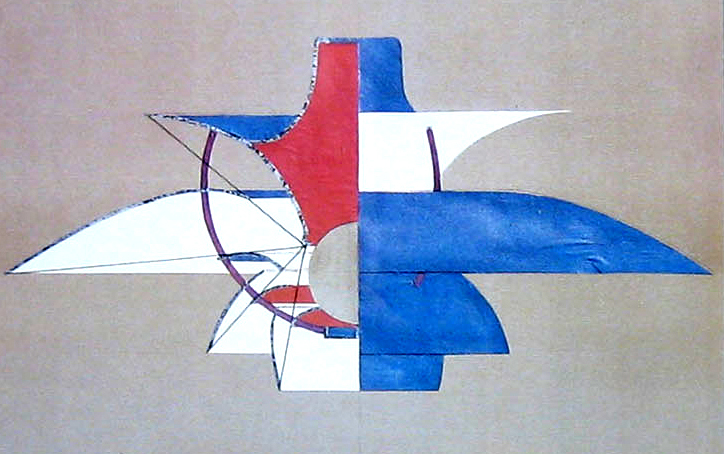
Les ampoules de l’époque diffusent un éclat direct, inconfortable. Henningsen imagine un système d’abat-jours superposés, conçu pour répartir et adoucir la lumière.
Dès 1926, les lampes PH entrent en production et rencontrent un immense succès. Près d’un siècle plus tard, elles figurent toujours au catalogue de Louis Poulsen — preuve d’un équilibre rare entre innovation technique et élégance intemporelle.
Un dessin né de la science
Sous leur apparence aérienne et sculpturale, les lampes PH dissimulent une recherche rigoureuse. Henningsen expérimente des matériaux, des formes et des angles pour contrôler la diffusion lumineuse. Il met au point un système de réflecteurs concaves et convexes, disposés selon une spirale logarithmique.
Chaque élément réfléchit la lumière sans jamais provoquer d’éblouissement. Le résultat : une lumière à la fois directe et indirecte, douce et précise.
Cette méthode – inspirée de la science optique – transforme l’éclairage domestique : la lumière cesse d’être un simple flux, elle devient un élément de confort et d’architecture.
Les abat-jours métalliques ou opalescents filtrent, diffusent et modulent la clarté tout en restant économiques à produire. Le luminaire, jusque-là décoratif, devient un outil démocratique, pensé pour la vie moderne.
Héritage et postérité
Le principe inventé par Henningsen donnera naissance à une famille entière de luminaires, chacun explorant de nouvelles déclinaisons du même concept : la PH Snowball (1924), la PH Louvre (1957) et la spectaculaire PH Artichoke (1958), chef-d’œuvre de lumière et de symétrie.
Ces lampes partagent la même philosophie : une lumière claire, douce, utile, sans artifice.
Plus qu’un style, Henningsen a imposé une méthode : aborder le design comme une science au service de l’humain.
Son travail incarne la quintessence du design scandinave : simplicité, accessibilité, et beauté fonctionnelle. Encore produites et exposées dans les musées du monde entier, les lampes PH rappellent que le progrès technique peut être synonyme d’élégance et de bien-être.
Une lumière qui éclaire encore
Presque cent ans après leur création, les lampes PH continuent de briller dans les intérieurs contemporains. Elles ont inspiré plusieurs générations de designers, de Verner Panton à Philippe Starck, et symbolisent cette alliance rare entre raison et émotion.
Dans un monde saturé d’images et d’écrans, le geste de Henningsen reste d’une modernité absolue : penser la lumière comme un art de vivre.
Achille